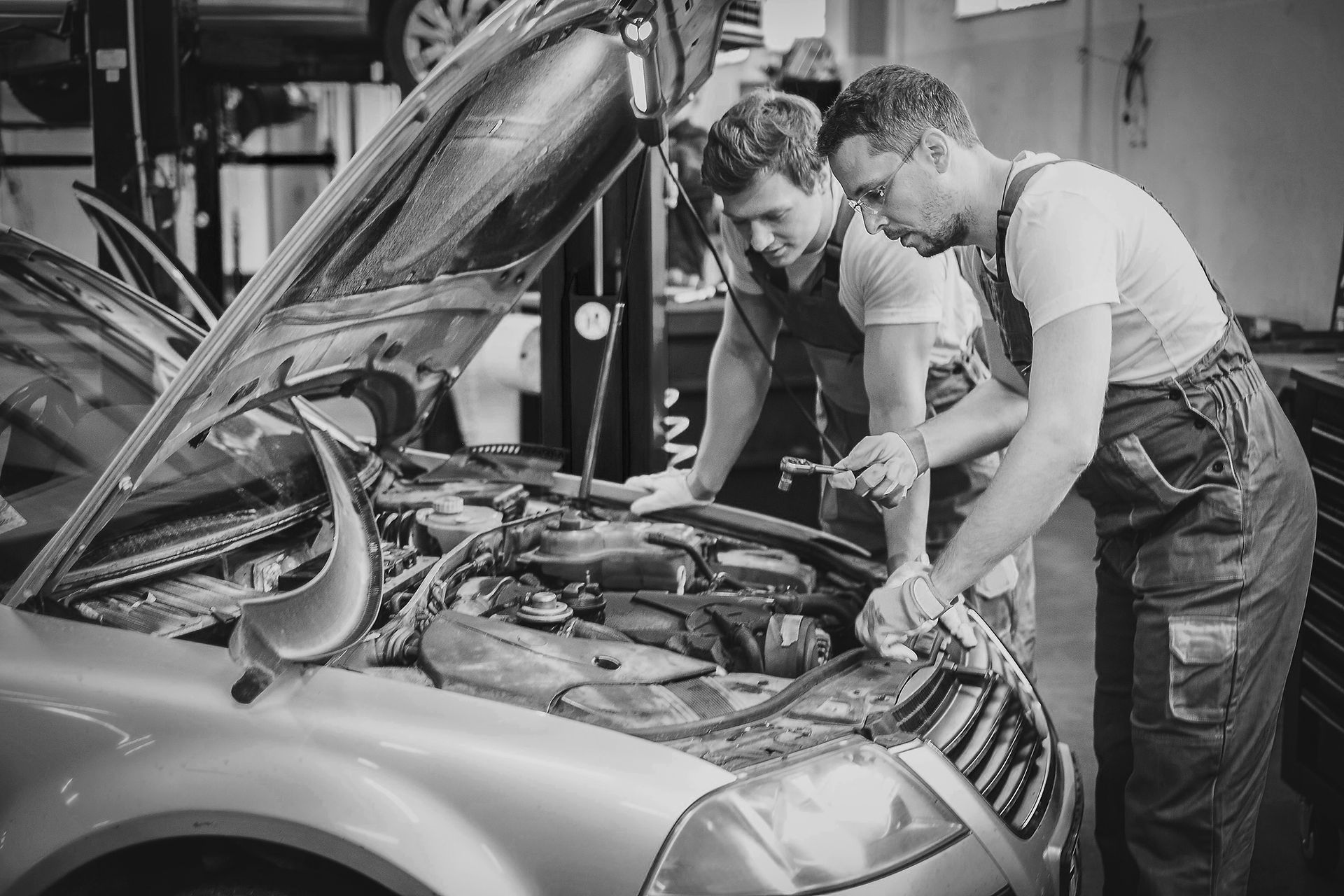

Solutions for Passing Vehicle Emission Tests

Vehicle emission tests are essential for ensuring that cars meet environmental standards and reduce harmful pollutants. Passing these tests can sometimes be challenging, but with the right knowledge and preparation, it is achievable. This article explores practical car emission fixes and offers actionable advice to help your vehicle pass emission inspections smoothly. Need service or maintenance? Visit one of our Service Centers and let our professional technicians get your vehicle back on the road. Auto Repair & Fleet Maintenance Mesa AZ | BDM Service Centers
Understanding Car Emission Fixes: What You Can Do
Car emission fixes involve addressing the root causes of excessive emissions from your vehicle. These fixes range from simple maintenance tasks to more technical repairs. Regular upkeep is crucial because a well-maintained engine runs cleaner and more efficiently.
Some common car emission fixes include:
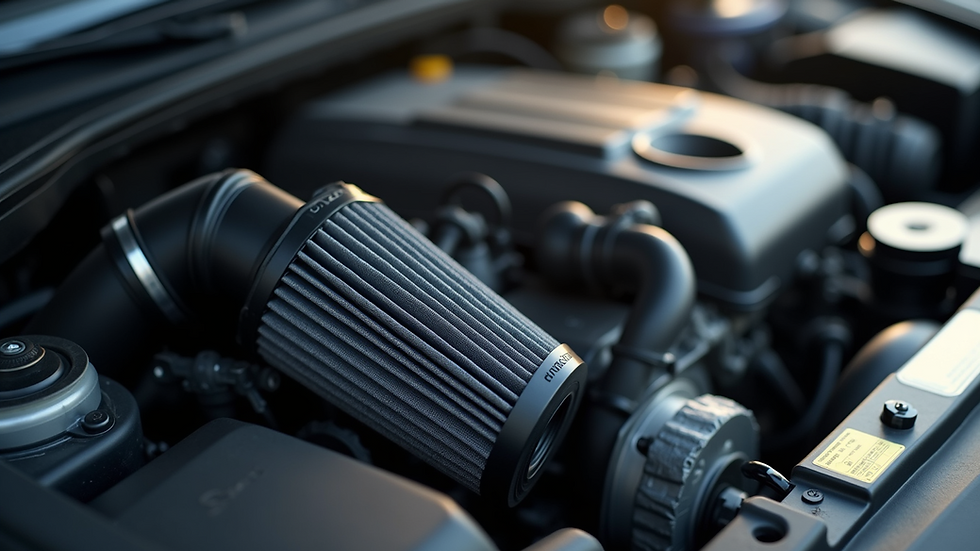
Replacing air filters: Dirty air filters reduce airflow, causing incomplete combustion and higher emissions.
Changing spark plugs: Worn spark plugs can cause misfires, increasing pollutants.
Using quality fuel: Low-quality fuel can lead to inefficient burning and more emissions.
Checking the oxygen sensor: A faulty oxygen sensor can send incorrect data to the engine control unit, affecting fuel mixture and emissions.
By addressing these areas, you can significantly improve your vehicle’s emission performance.
What Will Fail an Emissions Test?
Knowing what causes a vehicle to fail an emissions test helps in targeting the right fixes. Common reasons for failure include:
Malfunctioning catalytic converter: This component reduces harmful gases. If it’s damaged or clogged, emissions increase.
Faulty oxygen sensors: These sensors regulate the air-fuel mixture. When they fail, the engine runs inefficiently.
Excessive engine oil consumption: Burning oil produces smoke and pollutants.
Check engine light on: This often indicates underlying issues affecting emissions.
Exhaust leaks: Leaks can cause inaccurate readings during the test.
Addressing these problems before the test can save time and money.

Preparing Your Vehicle Before the Emission Test
Preparation is key to passing an emission test. Here are some steps to take before heading to the testing center:
Perform a thorough tune-up: Replace spark plugs, air filters, and fuel filters if needed.
Check and top off fluids: Ensure engine oil, coolant, and transmission fluids are at proper levels.
Drive your car for at least 20 minutes: This warms up the engine and helps the catalytic converter work efficiently.
Fix any check engine light issues: Use a diagnostic tool or visit a mechanic to clear codes and repair faults.
Inspect the exhaust system: Look for leaks or damage that could affect emissions.
Following these steps increases the likelihood of passing on the first try.
Advanced Car Emission Fixes for Persistent Problems
If basic maintenance doesn’t solve the issue, more advanced fixes may be necessary. These include:
Replacing the catalytic converter: If it’s old or damaged, replacement is often the only solution.
Repairing or replacing oxygen sensors: New sensors ensure accurate air-fuel mixture control.
Cleaning the fuel injectors: Dirty injectors cause poor fuel atomization and higher emissions.
Updating engine software: Some vehicles benefit from ECU reprogramming to optimize performance and emissions.
For these repairs, professional assistance is recommended. Many mechanics specialize in emission-related diagnostics and repairs.
For those seeking reliable emission test solutions, professional diagnostic services can identify hidden issues and recommend the best fixes.
Tips for Long-Term Emission Control and Vehicle Health
Maintaining low emissions is not just about passing tests but also about protecting the environment and extending your vehicle’s life. Here are some long-term tips:
Regular maintenance: Follow your vehicle’s service schedule diligently.
Use recommended fuel types: Avoid cheap or incorrect fuel grades.
Avoid short trips: Short drives don’t allow the engine to reach optimal temperature, increasing emissions.
Monitor dashboard indicators: Don’t ignore warning lights related to engine or emissions.
Drive smoothly: Aggressive acceleration and braking increase emissions.
By adopting these habits, you can keep your car running clean and efficient for years.
Keeping Your Vehicle Emission-Ready Year-Round
Passing an emission test is easier when your vehicle is always ready. Regular checks and preventive care reduce the risk of surprises during inspections. Remember, emission test failures often point to underlying mechanical issues that can worsen over time.
Investing time and effort into car emission fixes not only helps you comply with regulations but also contributes to cleaner air and better fuel economy. Whether you handle minor fixes yourself or seek professional help, staying proactive is the best strategy.

By understanding the causes of emission failures and applying the right fixes, you can confidently approach your next vehicle emission test and keep your car running efficiently.
Schedule your service today! At BDM we not only customize trucks, we service all vehicles. Check out our service centers today: Auto Repair & Fleet Maintenance Mesa AZ | BDM Service Centers


Comments